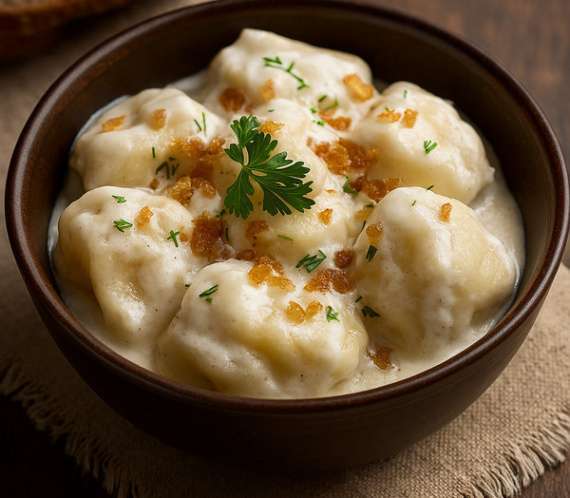
Few dishes are as deeply tied to Ukraine’s cultural identity as borscht. This vibrant beet soup, with its rich red color and complex layers of flavor, has nourished Ukrainians for centuries. More than just a meal, borscht is a symbol of family, resilience, and tradition. Its story stretches across time, connecting ancient farming practices, local ingredients, and the rituals of everyday life.
The Origins of Borscht
The earliest roots of borscht can be traced back to the use of wild plants and cultivated vegetables in Eastern Europe. Some historians suggest that early versions of the dish were made not from beets, but from hogweed (borshchivnyk), an herb whose sour leaves were boiled into soups. Over time, as beetroot cultivation spread across Ukraine, beets became the defining ingredient, giving the soup its iconic ruby-red color.
By the Middle Ages, Ukrainian households were already preparing beet-based soups with cabbage, onions, carrots, and garlic. These ingredients reflected the abundance of the fertile Ukrainian soil, known as chernozem, which yielded harvests perfect for nourishing peasant families through long winters.
A Dish of Everyday Life and Celebration
Borscht has always been more than sustenance. It carries deep symbolic meaning and is often prepared for both festive and ritual occasions.
- During Christmas Eve supper (Sviata Vecheria), families serve Lenten borscht, made without meat but enriched with beans, mushrooms, and dried fruits.
- Weddings often feature large pots of borscht, symbolizing abundance and warmth.
- In times of hardship, borscht remained a meal that could be stretched to feed many, demonstrating resilience and resourcefulness.
The dish embodies the Ukrainian saying: “Without borscht, there is no meal.”
Regional Variations of Borscht
One of the most fascinating aspects of borscht is its diversity. Across Ukraine, every region — and often every family — has its own recipe.
- Kyiv-style borscht: Typically includes a meat broth base, with pork or beef, and is served with garlic pampushky (small buns).
- Poltava borscht: Known for adding poultry, especially duck, for a richer flavor.
- Galician borscht (Western Ukraine): Often vegetarian, with a tangy note from fermented beet kvass.
- Chernihiv borscht: Features beans or lentils, making it hearty and protein-rich.
- Carpathian borscht: Uses wild mushrooms, reflecting the forests of the region.
Outside Ukraine, variations of borscht exist in Poland, Russia, Lithuania, and Moldova — yet the Ukrainian version remains the most widely recognized and celebrated.
The Role of Beets
The beetroot is the heart of borscht, giving the dish not only its color but also its earthy sweetness. In Ukraine, beets are often prepared in several ways for the soup — grated, sautéed, or even fermented. This layering of preparation methods adds depth of flavor that distinguishes Ukrainian borscht from simpler beet soups found elsewhere.
Traditional Accompaniments
No bowl of borscht is complete without its classic companions:
- Pampushky with garlic oil – small, fluffy buns brushed with garlic sauce.
- Smetana (sour cream) – a spoonful swirled into the soup to balance acidity and add creaminess.
- Fresh dill – sprinkled on top, adding brightness and fragrance.
These additions elevate borscht from a simple soup to a complete cultural experience.
Borscht in Ukrainian Culture and Identity
Borscht represents much more than food — it is a national symbol. It appears in folklore, proverbs, and literature. To “cook borscht” in Ukrainian culture is often used as a metaphor for bringing people together, solving problems, or simply creating warmth at home.
In 2022, UNESCO recognized Ukrainian borscht cooking as part of the Intangible Cultural Heritage of Humanity. This global recognition underscored the importance of borscht as not just a dish, but a cornerstone of Ukrainian identity and heritage.
Borscht and Resilience
Throughout history, Ukrainians have faced wars, famines, and political upheaval. Yet borscht has remained a constant presence, symbolizing survival and continuity. Even in the hardest times, families found ways to make borscht — with meat in prosperous seasons, or simply with cabbage, potatoes, and beets in leaner years.
This resilience is part of what makes borscht so meaningful: it reflects the Ukrainian spirit of endurance, creativity, and hope.
Modern Interpretations
Today, borscht is enjoyed not only in homes but also in fine dining restaurants, where chefs experiment with new presentations. Some serve it chilled in summer, others create vegetarian or vegan versions, while contemporary chefs may infuse it with smoked flavors or pair it with artisanal breads.
Despite these innovations, the essence of borscht remains unchanged: it is a dish meant to be shared, bringing people together around the table.
Conclusion
Borscht is more than Ukraine’s most famous dish — it is a story in a bowl. With every spoonful comes the history of a land rich in resources, the struggles and triumphs of its people, and the traditions passed down from generation to generation. Whether served with pampushky at a holiday table or simmered quietly in a family kitchen, borscht continues to embody the heart of Ukrainian cuisine and culture.