Christmas in Ukraine is more than a religious holiday — it is a celebration of family, heritage, and ancient customs preserved through centuries. At the heart of this festive season lies the table, rich with traditional dishes that carry symbolic meaning. Ukrainian Christmas cuisine reflects the country’s agricultural roots, spiritual beliefs, and sense of community. From the solemn Christmas Eve supper (Sviata Vecheria) to joyful gatherings on Christmas Day, food traditions bring families together and connect modern Ukrainians with their ancestors.
The Spiritual Meaning of Ukrainian Christmas Meals
Christmas in Ukraine is celebrated according to both the Gregorian (December 25) and Julian (January 7) calendars, depending on family tradition. The most important meal is Christmas Eve dinner, known as Sviata Vecheria — the Holy Supper. This meal begins only after the first star appears in the evening sky, symbolizing the Star of Bethlehem.
What makes the supper unique is that it traditionally includes twelve meatless dishes, representing the twelve apostles. The dishes are prepared with grains, vegetables, legumes, mushrooms, and fruits, reflecting the fasting period before Christmas.
The Central Dish: Kutia
The highlight of Christmas Eve is kutia, a sweet grain pudding made of wheat berries (or sometimes barley), honey, poppy seeds, and nuts. Kutia symbolizes prosperity, unity, and remembrance of ancestors. It is the first dish eaten, and in many families, a spoonful is placed on the windowsill as an offering for departed loved ones.
Kutia is more than food — it is a spiritual link between generations. Its sweetness embodies wishes for a fruitful year ahead.
Twelve Dishes of Christmas Eve
While kutia is the centerpiece, the table holds an array of other symbolic dishes. Among the most common are:
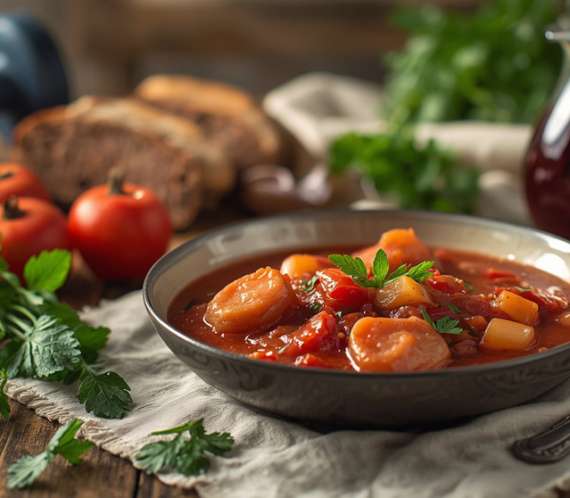
- Borscht with mushrooms or beans – a meatless version of the iconic soup.
- Varenyky (dumplings) – filled with potatoes, cabbage, mushrooms, or cherries.
- Holubtsi (stuffed cabbage rolls) – prepared with rice, buckwheat, or mushrooms.
- Uzvar – a traditional compote made of dried fruits, symbolizing health and longevity.
- Fish dishes – often baked, stewed, or fried, representing abundance.
- Pampushky – soft buns sometimes served with poppy seeds or honey.
- Mushroom gravies and sauces – highlighting the gifts of the forest.
- Pickled vegetables – cucumbers, sauerkraut, and beets, recalling preservation methods of ancestors.
- Lenten pastries – such as rolls or pies without dairy or eggs.
- Pea or bean dishes – symbolizing fertility and wealth.
- Buckwheat porridge – a symbol of strength and prosperity.
- Garlic and honey – placed on the table to bring protection and sweetness for the coming year.
Each dish carries meaning, turning the Christmas Eve table into a spiritual feast of symbols as much as flavors.
Rituals Around the Christmas Table
Before eating, the head of the household offers prayers, sometimes sprinkling the table with holy water or grain to bless the family. A place is often set for absent relatives, including those who have passed away, emphasizing the unity of generations.
Hay is placed under the tablecloth to remind everyone of Christ’s humble birth in a manger. A candle is lit in the center of the table to symbolize light and hope. These traditions show how food is intertwined with faith and family values.
Christmas Day and Festive Meals
While Christmas Eve is solemn and meatless, Christmas Day brings joyful feasting. On this day, Ukrainians prepare roasted meats such as pork, goose, or chicken. Sausages, baked breads, and dairy-rich dishes return to the table, marking the end of the fasting period.
Sweet dishes also play an important role. Poppy seed rolls (makivnyk), honey cakes, and festive cookies are enjoyed with tea or uzvar. Families visit neighbors and relatives, bringing food and gifts, reinforcing the communal spirit of the holiday.
Carols and Food Sharing
Another beautiful tradition of Ukrainian Christmas is koliadky — caroling. Groups of singers, often children, go from house to house performing carols in exchange for sweets, baked goods, or small coins. This custom strengthens community ties and ensures that festive foods are shared beyond the family table.
Regional Variations
Although the core traditions are shared across Ukraine, regional differences exist:
- In Western Ukraine, kutia is often richer with nuts and dried fruits, and mushroom dishes are especially common.
- In the central regions, varenyky and holubtsi dominate the table.
- In the south and east, where fishing was important, more fish dishes appear on Christmas Eve.
These variations show how geography and local resources shape the festive table while maintaining the same symbolic foundation.
The Enduring Significance of Food Traditions
Despite modern influences and changing lifestyles, Ukrainian Christmas food traditions remain strong. Families may add contemporary touches, but kutia, uzvar, and the ritual of twelve dishes continue to unite households. For Ukrainians abroad, preparing these foods has become a way to preserve cultural identity and pass traditions to new generations.
Conclusion
Ukrainian Christmas food traditions embody the spirit of the holiday: faith, family, and gratitude. From the sacred kutia to the joyful Christmas Day feast, each dish carries history and meaning. These meals remind Ukrainians of their agricultural roots, their ancestors’ resilience, and the importance of community.
To taste Ukrainian Christmas is to experience a holiday where food is more than nourishment — it is memory, heritage, and celebration all at once.