Ukrainian cuisine is often imagined as hearty, meat-filled, and rich in dairy. Yet at its roots, it has long included a wide variety of plant-based foods. For centuries, Ukrainians practiced fasting periods connected to the Orthodox Christian calendar, during which meat, dairy, and eggs were restricted. This tradition gave rise to a large repertoire of meatless dishes that today fit perfectly into vegetarian and vegan diets.
From soups and dumplings to porridges and festive meals, Ukrainian cuisine offers plenty of plant-based possibilities. Let’s explore how traditional recipes can be adapted into healthy, flavorful vegetarian versions while still preserving cultural authenticity.
Historical Roots of Plant-Based Ukrainian Dishes
Vegetarianism is not new to Ukraine. Rural communities often relied on grains, legumes, and vegetables, with meat reserved for special occasions. Orthodox fasting traditions, including Great Lent and Christmas Eve, inspired generations of cooks to prepare creative plant-based meals.
As a result, dishes like Lenten borscht, mushroom gravies, and bean stews became part of the national culinary identity. Today, these traditions serve as a natural foundation for modern vegetarian cooking.
Vegetarian Versions of Iconic Ukrainian Dishes
1. Borscht Without Meat
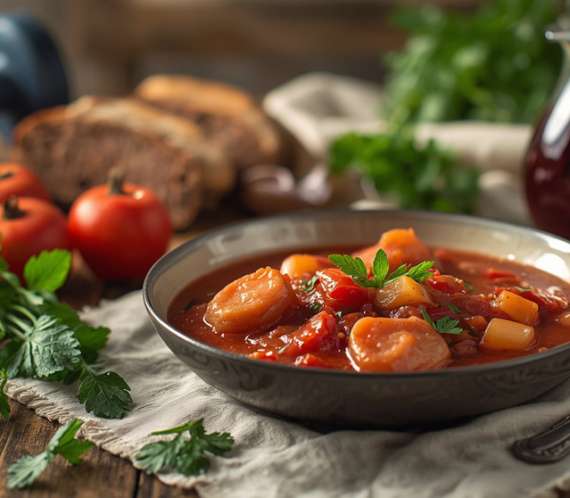
The famous Ukrainian beet soup is just as flavorful in its vegetarian form. Instead of meat broth, a rich base is created with beans, mushrooms, and sautéed vegetables. Fermented beet kvass or lemon juice adds tanginess, while dill and garlic give freshness. Served with vegan sour cream, it’s both nourishing and authentic.
2. Varenyky (Dumplings)
Traditionally, varenyky are filled with potatoes, sauerkraut, mushrooms, or cherries. These fillings are already vegetarian. To make them vegan, the dough can be prepared without eggs, resulting in soft, tender dumplings that hold their shape beautifully.
3. Holubtsi (Stuffed Cabbage Rolls)
The classic recipe uses rice and meat, but vegetarian versions replace meat with mushrooms, lentils, or buckwheat. These fillings provide protein and earthy flavor while maintaining the comforting nature of the dish.
4. Kutia
A sweet dish made with wheat berries, honey, poppy seeds, and nuts, kutia is naturally vegetarian. For a vegan version, honey can be replaced with maple syrup or agave. Kutia remains the symbolic centerpiece of Christmas Eve supper.
5. Mushroom Dishes
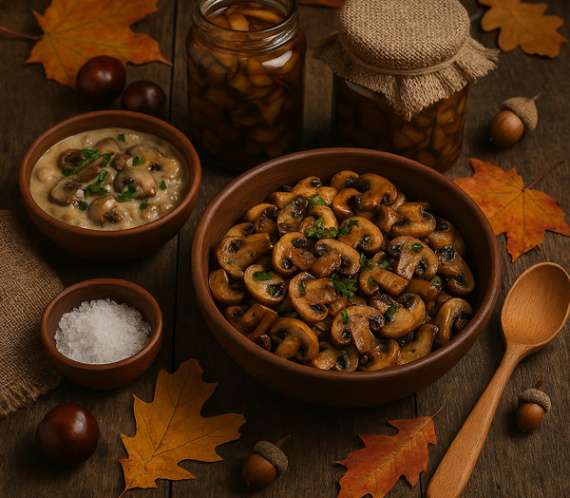
Ukraine’s forests have always supplied mushrooms, which became staples of fasting cuisine. Mushroom gravies, stews, and fillings for pies are rich in flavor and entirely plant-based. Wild mushrooms, in particular, provide a deep umami taste that rivals meat.
6. Pampushky with Garlic
These soft buns, often served with borscht, can easily be made without eggs or dairy. Brushed with garlic oil instead of butter, they remain fluffy, golden, and irresistible.
Legumes and Grains as Protein Sources
Legumes like beans, peas, and lentils have long been part of Ukrainian cooking. Combined with grains such as buckwheat, millet, or barley, they create protein-rich meals that are both filling and healthy. Traditional dishes such as pea stew or buckwheat porridge are naturally vegetarian staples.
Fermented Foods and Dairy Alternatives
Fermented foods — sauerkraut, pickled cucumbers, and beet kvass — are naturally vegan and provide probiotics that support digestion. For dairy-heavy dishes, modern cooks can substitute plant-based alternatives:
- Sunflower seed cream instead of sour cream.
- Oat or soy milk for porridges.
- Vegan cheese for baked pastries.
These adaptations maintain the authentic flavors while aligning with vegetarian and vegan lifestyles.
Festive Vegetarian Traditions
Christmas Eve (Sviata Vecheria) traditionally features twelve vegetarian dishes, including kutia, borscht, varenyky, mushrooms, and uzvar (dried fruit compote). This centuries-old custom demonstrates that vegetarian feasting is deeply embedded in Ukrainian culture.
Health Benefits of Plant-Based Ukrainian Cuisine
Vegetarian adaptations of Ukrainian food are not only culturally authentic but also nutritious. They emphasize:
- High-fiber vegetables and grains.
- Plant-based proteins from legumes and mushrooms.
- Heart-healthy fats from sunflower oil and nuts.
- Natural probiotics from fermented vegetables.
Together, these elements make Ukrainian vegetarian cuisine both wholesome and satisfying.
Conclusion
Ukrainian cuisine and vegetarianism are a natural match. With deep roots in fasting traditions and an abundance of grains, legumes, and vegetables, Ukrainian food offers endless opportunities for plant-based cooking. Whether it’s a bowl of Lenten borscht, a plate of potato varenyky, or festive kutia, these dishes prove that vegetarian Ukrainian cuisine can be both authentic and nourishing.
By reimagining traditional recipes in plant-based versions, we celebrate the richness of Ukrainian heritage while embracing modern healthy living.