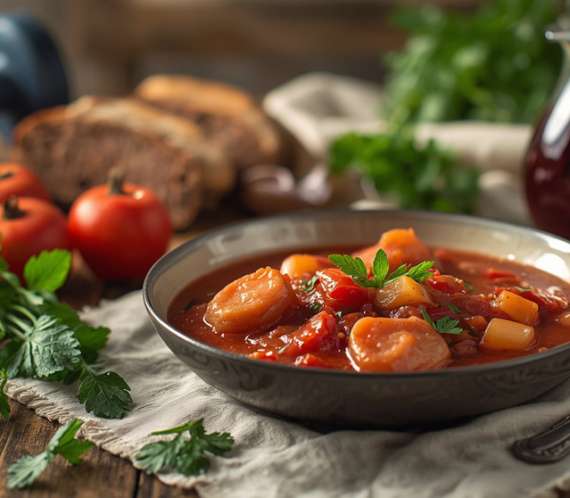
When speaking of Ukrainian cuisine, few dishes embody the spirit of freedom, resilience, and tradition as much as kulish. This simple yet nourishing porridge was once the lifeblood of the Ukrainian Cossacks, sustaining them during long journeys, battles, and evenings around the campfire. Today, kulish remains a symbol of Ukrainian heritage, celebrated for its rustic taste and historical significance.
Historical Origins of Kulish
Kulish traces its roots back to the 16th–17th centuries, during the rise of the Zaporizhian Cossacks — the free warriors who lived in the steppe, defending Ukraine’s borders and fighting for independence. Constantly on the move, the Cossacks needed food that was easy to cook, transport, and nourishing enough to restore strength.
Millet, one of the oldest grains cultivated in Ukraine, became the perfect base for such a dish. Combined with lard, onions, and later with potatoes, bacon, or dried meat, kulish provided both energy and comfort. Cooked in large cauldrons (kazans) over an open fire, it quickly became the signature field dish of the Cossacks.
The Name and Its Meaning
The word kulish likely comes from Turkic origins, reflecting centuries of cultural exchanges in the steppe. Over time, it entered the Ukrainian language and became synonymous with campfire porridge. In many folk songs and stories, kulish symbolizes brotherhood, unity, and shared meals after long battles.
Traditional Ingredients
At its core, kulish is simple:
- Millet — the main grain, rich in fiber and nutrients.
- Onions and lard (salo) — for flavor and satiety.
- Salt and herbs — often wild herbs collected in the steppe.
- Meat or bacon — when available, for a richer version.
This flexibility made kulish ideal for the Cossacks, who often relied on whatever ingredients they had at hand.
Cooking Kulish in the Cossack Tradition
Kulish was always prepared outdoors, over a fire, in a cast-iron cauldron. The process was as much about community as it was about food:
- Lard was melted, and onions were fried until golden.
- Millet was added, along with water or broth.
- Meat, bones, or dried fish could be included if available.
- The porridge was simmered until creamy and thick, then seasoned with salt and herbs.
Served steaming hot, kulish was eaten straight from wooden bowls or even directly from the cauldron by groups of warriors.
Kulish in Modern Ukrainian Cuisine
Though kulish began as military food, it never disappeared. Today, it is often prepared at festivals, outdoor picnics, and folk celebrations, keeping the Cossack spirit alive. Many families also cook it at home, replacing lard with sunflower oil for a lighter version.
Modern variations include:
- Vegetarian kulish with mushrooms and vegetables.
- Festive kulish with smoked meats and fresh herbs.
- Campfire kulish still cooked outdoors, honoring tradition.
In western Ukraine, some recipes even use buckwheat instead of millet, showing regional diversity.
Cultural Symbolism of Kulish
Kulish is more than food — it is a story of survival and freedom. For centuries, it represented the self-sufficiency of the Cossacks, who lived close to nature and relied on their own resources. It also reflects the Ukrainian value of hospitality and togetherness: a dish that was always shared.
At festivals today, cooking kulish in a giant cauldron remains a ritual of community, bringing people together just as it did centuries ago.
Health Benefits of Kulish
From a nutritional perspective, kulish is surprisingly healthy:
- Millet provides slow-digesting carbohydrates and minerals.
- Onions and herbs add antioxidants.
- Protein can be supplied by meat, mushrooms, or legumes.
- The dish is naturally gluten-free, making it accessible to many diets.
Balanced and hearty, kulish remains relevant even in modern healthy eating trends.
Conclusion
Kulish is not just a porridge — it is a taste of Ukrainian history. From the campfires of the Zaporizhian Cossacks to today’s family picnics and festivals, it carries with it a story of strength, resilience, and unity. Each spoonful connects Ukrainians to their ancestors, reminding them of the values of freedom, community, and the simple joy of a shared meal.
Whether cooked in a cauldron outdoors or recreated in a modern kitchen, kulish continues to be a dish that nourishes both body and soul.